Epoxy Pipe Lining Services in Rancho Palos Verdes, CA
A leaking pipe under your slab doesn't always need excavation. Epoxy pipe lining seals the line from the inside — coating the pipe's interior with a durable, drinking-water-safe barrier that stops pinhole leaks and corrosion in a single trenchless job.
The Trenchless Fix
What is epoxy pipe lining?
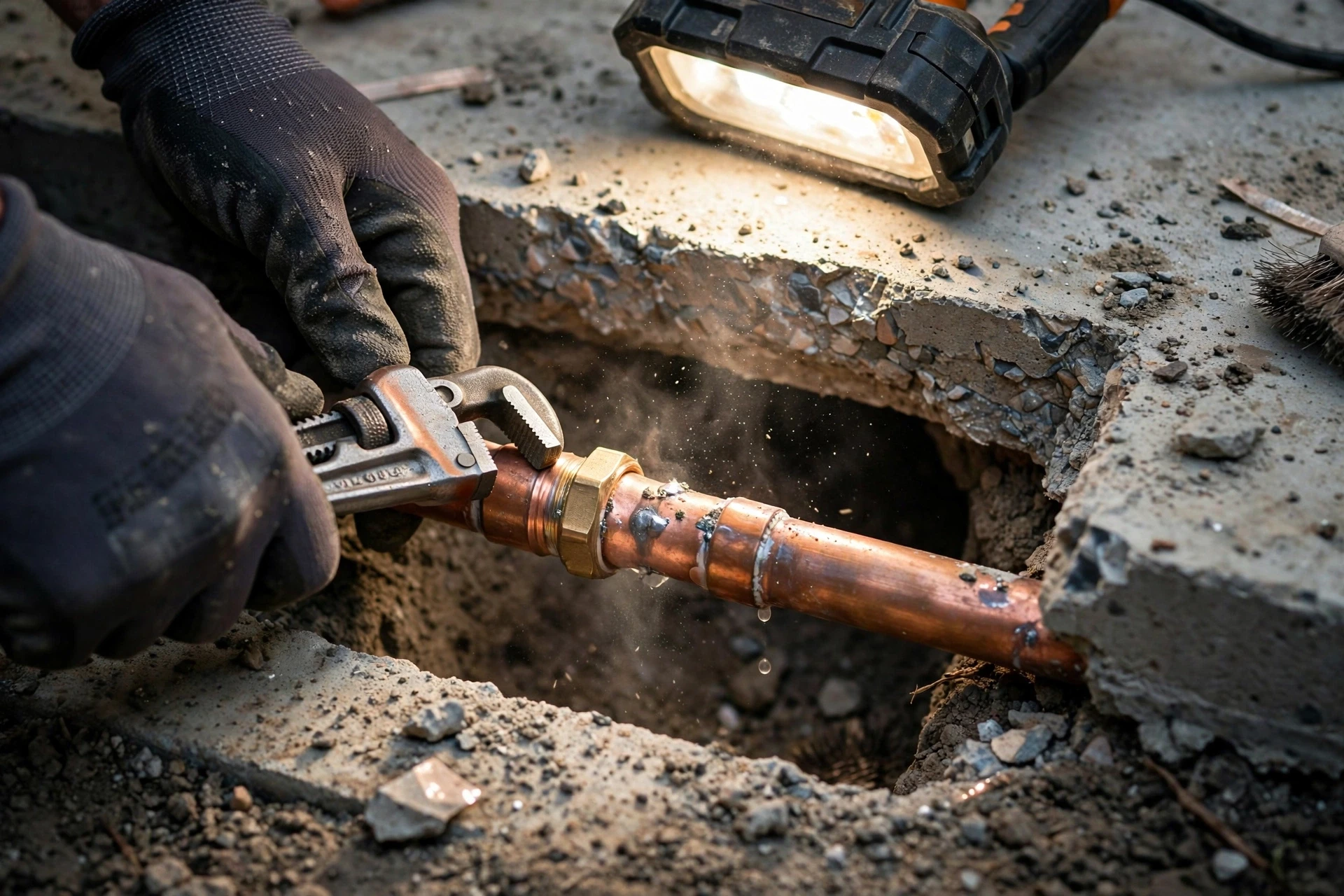
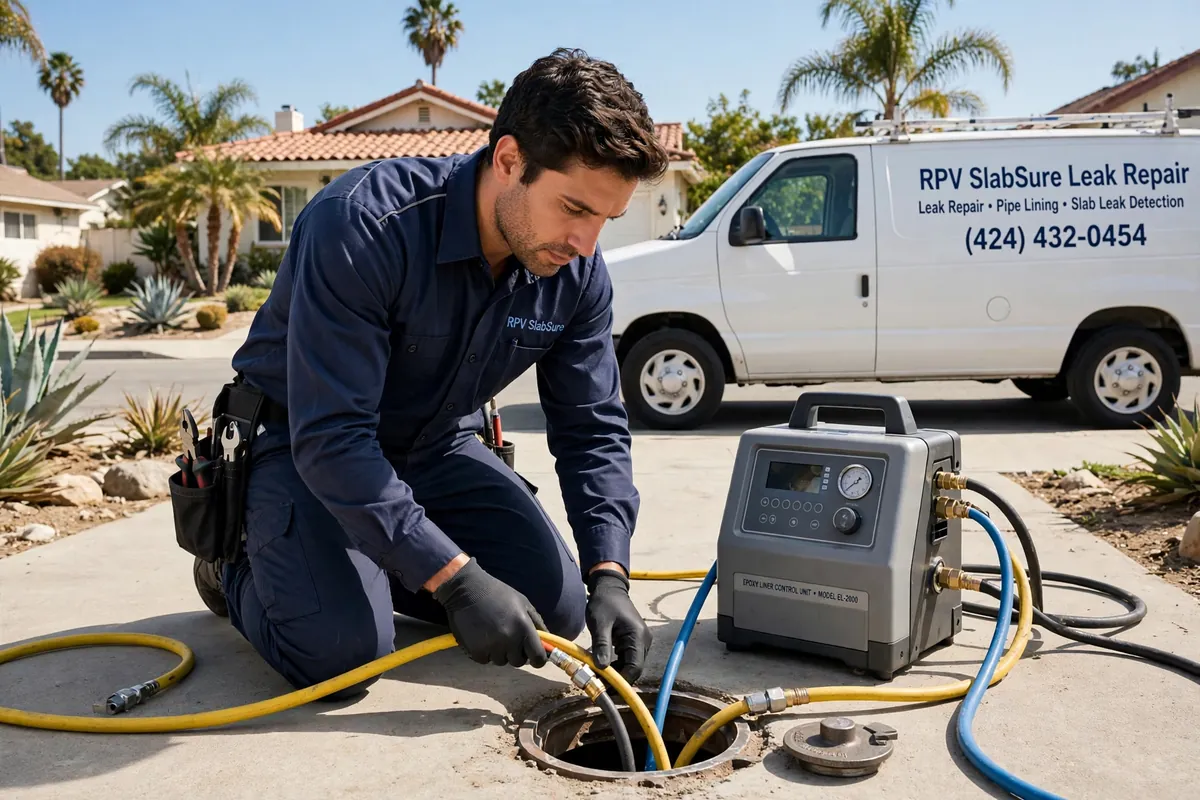
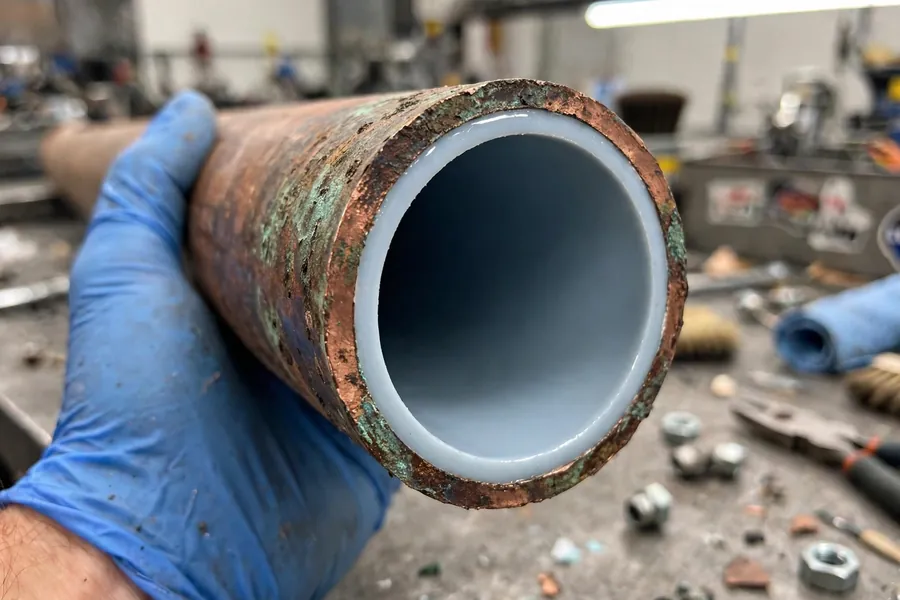
Epoxy pipe lining is a trenchless slab leak repair method that restores a water line from the inside. After the pipe is cleaned and inspected by camera, a two-part epoxy is drawn through the line and coats its interior walls. When cured, that coating becomes a smooth, corrosion-proof barrier — sealing pinhole leaks, bridging weak spots, and keeping water from ever touching the aging metal again.
For Rancho Palos Verdes homeowners, the appeal is simple: the pipe stays where it is. No jackhammering the slab, no trenching through floors, no excavation in the yard. Lining is often paired with precise slab leak detection and camera inspection so we line exactly the run that needs it — and verify the result the same way.
Good Candidates
6 signs epoxy lining fits your leak
Recurring pinhole leaks
One pinhole today usually means more are forming. Lining seals the whole run at once instead of one spot at a time.
Corroded copper lines
Green staining, pitting, or thinning walls — epoxy isolates the metal from water and halts the corrosion cycle.
Discolored or metallic-tasting water
Rusty tint or a copper taste signals interior corrosion. A lined pipe delivers clean water through a fresh surface.
Gradually dropping water pressure
Scale and corrosion narrow the pipe over time. Lining leaves a smooth interior that resists new buildup.
The line runs somewhere unreachable
Under a slab addition, driveway, or mature landscaping — lining reaches pipes excavation can't, without the damage.
You want minimal disruption
Most lining work happens through existing access points. Homes stay livable and floors stay whole.
Step by Step
How epoxy pipe lining works: the five steps
- 1
Isolate & inspect
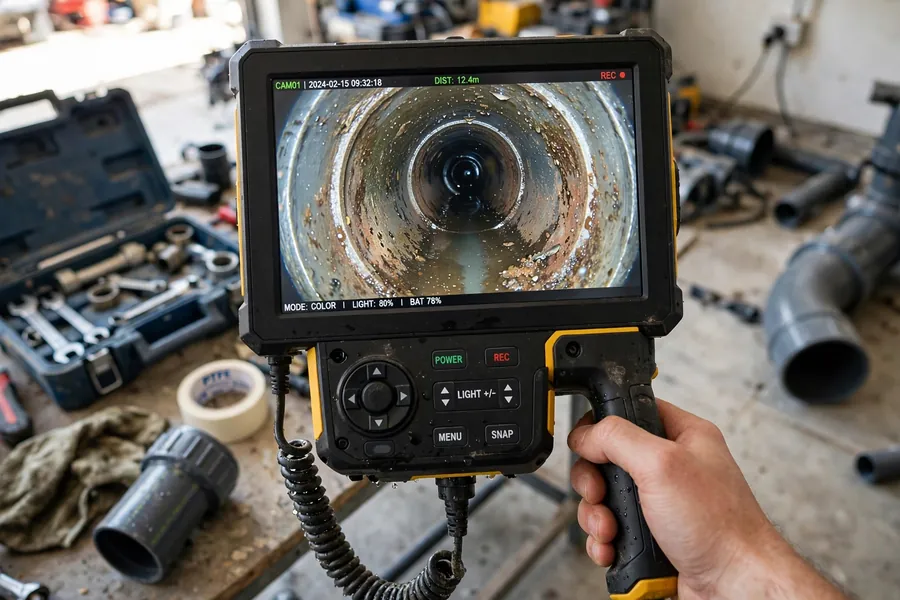
We shut off and drain the line, then run a camera inspection to map its condition and confirm it's a lining candidate.
- 2
Clean & dry the pipe
The interior is mechanically cleaned and abrasive-blasted to bare, sound surface, then dried — coating adhesion depends on this prep.
- 3
Apply the epoxy coating
Potable-water-safe epoxy is propelled through the line, coating the full interior in a controlled, even layer.
- 4
Cure
The coating cures into a hard, smooth barrier. We respect the full cure time — rushing this step is where cut-rate jobs fail.
- 5
Test & verify
The line is pressure-tested, camera-verified, flushed, and returned to service only when it passes on all three.
Honest Comparison
Epoxy lining vs. rerouting vs. spot repair
| Method | Best when | Digging | What it fixes |
|---|---|---|---|
| Epoxy lining | Pinholes/corrosion along a structurally sound line | None | Every weak point along the coated run |
| Pipe rerouting | Line is collapsing, badly laid out, or must leave the slab | None (new line via walls/attic) | Retires the whole failing line |
| Spot repair | Single leak, young pipe, easy access | At the leak point | That one leak only |
Lining isn't magic — a collapsed or back-pitched line can't host a coating, which is why the camera inspection comes first. If lining isn't right for your pipe, we'll say so and walk you through rerouting or repiping instead.
Local Knowledge
Why pipes corrode under Palos Verdes slabs
Two forces work on the Peninsula's under-slab copper. From the outside, mineral-rich hillside soils slowly pit the metal. From the inside, our hard water deposits scale, then corrodes beneath it — the classic recipe for pinhole leaks in the 1960s–1980s homes common across Los Verdes, Mira Catalina, and the Crest. Once one pinhole opens, the pipe wall around it is usually thin in several places.
That's precisely the failure pattern epoxy lining was made for: instead of replacing the pipe or chasing leaks one by one, the coating renews the entire interior surface in place — and the new surface can't corrode the way copper does.
Pricing Factors
What shapes the cost of epoxy lining
- Length and diameter of the line being lined
- Pipe condition — heavy scale or damage needs more prep
- Number of bends, branches, and access points
- Whether one line or several are lined in the same visit
- Camera inspection and testing scope
Near You
Epoxy lining across the Peninsula & nearby areas
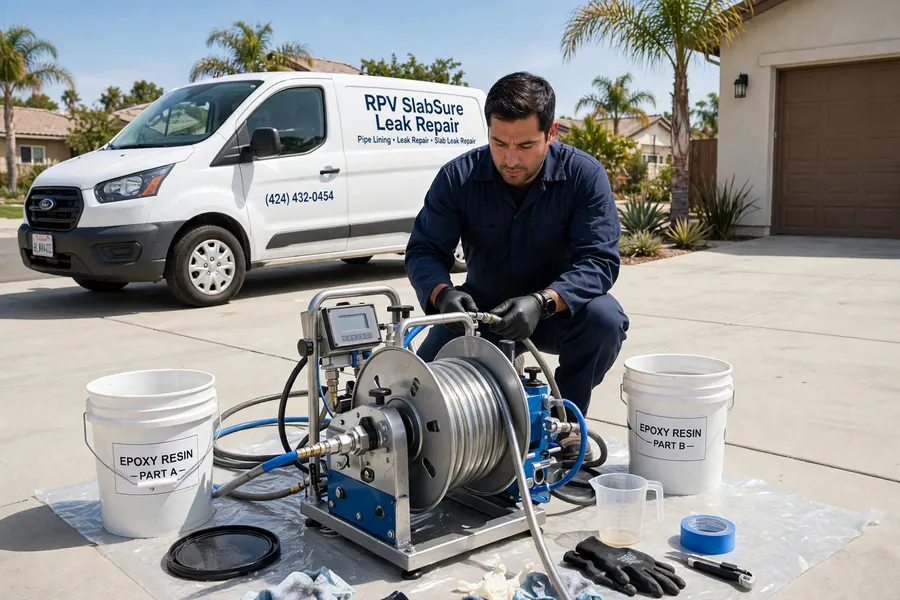
RPV SlabSure Leak Repair is based at 6712 Los Verdes Dr, Rancho Palos Verdes, CA 90275, and we line pipes throughout the area: Palos Verdes Estates, Rolling Hills Estates, Rolling Hills, Torrance, Redondo Beach, Lomita, and San Pedro. Active leak that can't wait? Our emergency slab leak repair line is answered 24/7 at (424) 432-0454.
Questions, Answered
Epoxy pipe lining FAQs
What is epoxy pipe lining?
Epoxy pipe lining is a trenchless repair that coats the inside of your existing water pipe with a potable-water-safe epoxy barrier. The coating seals pinhole leaks, stops internal corrosion, and effectively creates a new pipe wall inside the old one — without digging up the slab or tearing out the pipe.
Is epoxy pipe lining safe for drinking water?
Yes. We use epoxy systems certified to NSF/ANSI 61 for potable water contact. Once cured, the lining is inert, does not leach into the water, and we flush and test the line before returning it to service.
How long does epoxy pipe lining last?
A properly applied epoxy lining is rated for decades of service — commonly 30+ years — because the coated interior no longer contacts water or soil-driven corrosion directly. It also smooths the pipe's interior, which helps resist future scale buildup.
How long does the epoxy lining process take?
Most residential epoxy lining jobs in Rancho Palos Verdes are completed in one to two days, depending on the length and condition of the line. The pipe must be cleaned and fully dry before coating, and the epoxy needs its cure time before pressure testing.
Can epoxy lining fix multiple pinhole leaks at once?
Yes — that is one of its biggest advantages. Because the entire interior of the line is coated, every pinhole and weak spot along that run is sealed in a single application, instead of chasing leaks one excavation at a time.
Epoxy lining or rerouting — which is better for a slab leak?
Lining works best when the pipe's route is sound and the pipe still has enough structure to host the coating; rerouting wins when the line has collapsed sections, bad layout, or you want the pipe out of the slab entirely. We camera-inspect first and recommend based on what the pipe actually looks like inside.
Stop the leak before it spreads
One call connects you with a local specialist — detection, honest repair options, and a fix matched to your home.
(424) 432-0454